
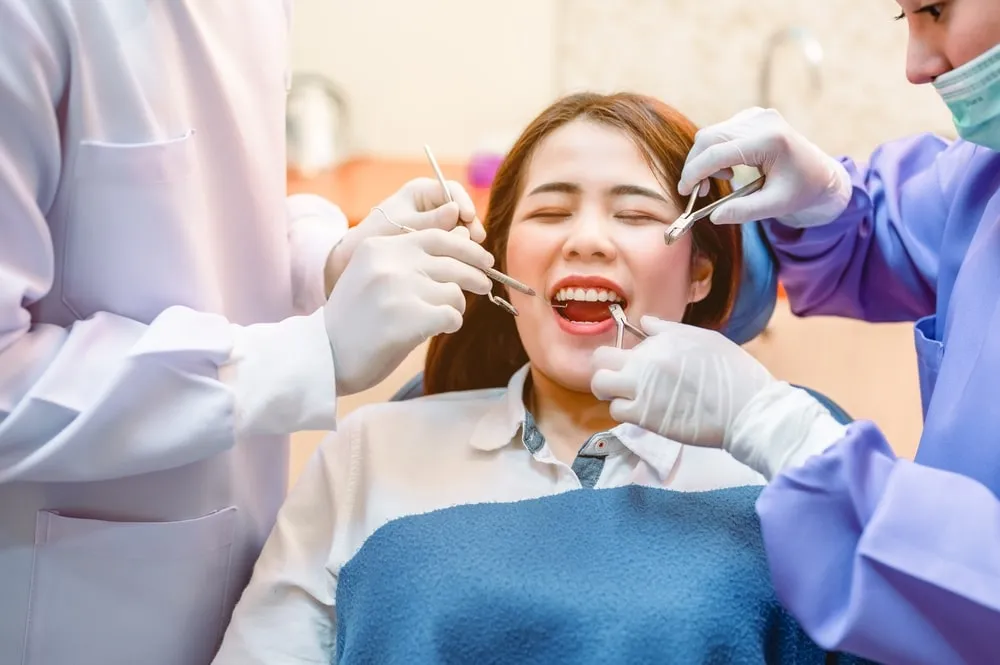
Not every damaged tooth can be saved. Dentists will always assess whether a tooth can be repaired first, but in some cases, removing it may be the healthiest option for the mouth. Severe decay, infection, gum disease, trauma, or crowding can make extraction necessary when keeping the tooth may create more discomfort or risk.
For patients searching for teeth extraction in Tottenham, the process should begin with a careful dental exam and a clear explanation of treatment options. Once the mouth is healthy again, cosmetic care such as professional whitening can help improve the look of the smile. This guide explains when extraction may be needed, what to expect, how recovery works, and how teeth whitening services in Tottenham can support a brighter smile after your oral health is back on track. Let’s talk about it.
When decay reaches deep into the tooth and there is not enough healthy structure left to support a filling, crown, or root canal, extraction may be recommended. Removing the tooth can help prevent the problem from spreading.
Gum disease can weaken the bone and tissues that hold teeth in place. If a tooth becomes loose or unsupported, extraction may be needed to protect the surrounding area.
Some broken teeth can be repaired, but others fracture below the gumline or lose too much structure. In those cases, removal may be the most practical step.
Wisdom teeth may need removal if they cause pain, infection, cysts, damage to nearby teeth, gum disease, or decay that cannot be restored. They may also be removed as part of orthodontic or broader dental treatment planning.
In some orthodontic cases, a dentist or orthodontist may recommend removing a tooth to create space for proper alignment. This depends on the patient’s bite, jaw size, and treatment plan.
Your dentist starts by checking the tooth, gums, medical history, and symptoms. The goal is to confirm whether extraction is truly needed or whether another treatment may be possible.
X-rays help the dentist see the tooth root, surrounding bone, and nearby structures. 3D imaging may be used for extractions, implants, and more complex treatment planning.
Before removal, the area is numbed to reduce discomfort. The American Dental Association explains that dentists numb the area before extraction and provide post-extraction instructions afterward.
The dentist gently loosens and removes the tooth. Some extractions are simple, while others may require a more involved approach depending on the tooth’s position.
After the procedure, your dentist will explain how to care for the area, manage bleeding, protect the clot, and reduce the risk of complications.
Some swelling or tenderness can happen after an extraction. Cold compresses may be recommended during the early healing period, depending on your dentist’s instructions.
Soft foods are usually easier after extraction. Soups, yogurt, smoothies without a straw, mashed potatoes, eggs, and soft pasta may be more comfortable while the area heals.
Keep your mouth clean, but be gentle around the extraction site. Your dentist may suggest rinsing carefully after the first day and avoiding aggressive brushing near the area.
Avoid smoking, drinking through a straw, heavy exercise, and poking the extraction site while it heals. These actions may disturb the clot and slow recovery.
Call your dentist if pain worsens, bleeding continues, swelling increases, you develop fever, or you notice a bad taste or odour that does not improve.
After a tooth is removed, replacing it is often important. A missing tooth can affect chewing, speech, bite balance, and the way neighbouring teeth sit. Over time, nearby teeth may shift into the open space.
Common replacement options include dental implants, bridges, and partial dentures. Dental implants replace the tooth root and crown. Bridges use nearby teeth for support. Partial dentures can replace one or several missing teeth with a removable appliance.
Your dentist can explain which option fits your health, budget, bone support, and long-term goals.
Once dental health is stable, many patients want their smile to look fresher too. That is where teeth whitening services in Tottenham may help.
Coffee, tea, wine, smoking, and certain foods can leave surface stains. Whitening may help lighten natural tooth enamel when the patient is a good candidate.
Store products may work for some surface stains, but professional whitening is planned with your dental health in mind. The ADA notes that over-the-counter whitening products usually use lower bleaching concentrations than what a dentist may use in-office.
Professional whitening allows your dentist to assess sensitivity, gum health, restorations, and stain type before treatment. This helps reduce guesswork and supports more predictable planning.
Whitening is generally best for healthy natural teeth. It does not whiten crowns, veneers, fillings, or bridges the same way natural enamel responds, so your dentist should check your smile first.
Patients choose Family Dental Care Tottenham for an experienced dental team, gentle treatment approach, modern equipment, and a family-friendly environment. Our clinic focuses on comprehensive services, which means patients can discuss prevention, tooth extraction, tooth replacement, whitening, and other smile concerns in one place.
Every smile has a different story. A treatment plan should reflect the patient’s oral health, comfort level, timeline, and goals.
Timely tooth extraction can protect oral health when a damaged tooth cannot be saved. After healing, replacement options can help restore function, while professional whitening may improve the appearance of healthy natural teeth.
If you are considering tooth extraction or want a brighter smile, speak with us at Family Dental Care Tottenham about your options. A healthy, confident smile starts with the right plan.